Galvanized vs Stainless Steel 5 Key Differences You Should Know?

Time:2026-08-31 Author:Oliver
0%

When considering materials for construction or manufacturing, many face a crucial question: what is the difference between galvanized and stainless steel? Both materials are popular due to their durability and resistance to corrosion, but they have distinct characteristics that affect their use cases. Galvanized steel is coated with zinc, providing a barrier against rust. This makes it more affordable but less durable in harsh conditions.

On the other hand, stainless steel contains chromium, which prevents oxidation and enhances its lifespan. This material is often favored for applications where aesthetic and longevity matter. However, its higher cost can be a concern for budget-conscious projects. Each type of steel has its pros and cons, and understanding these can guide decisions.

Choosing the right material requires careful thought. Prices, conditions, and application need consideration. Is longevity a priority? Or is budget the main focus? The right choice can make all the difference in performance and satisfaction. An informed decision helps avoid costly mistakes down the line.
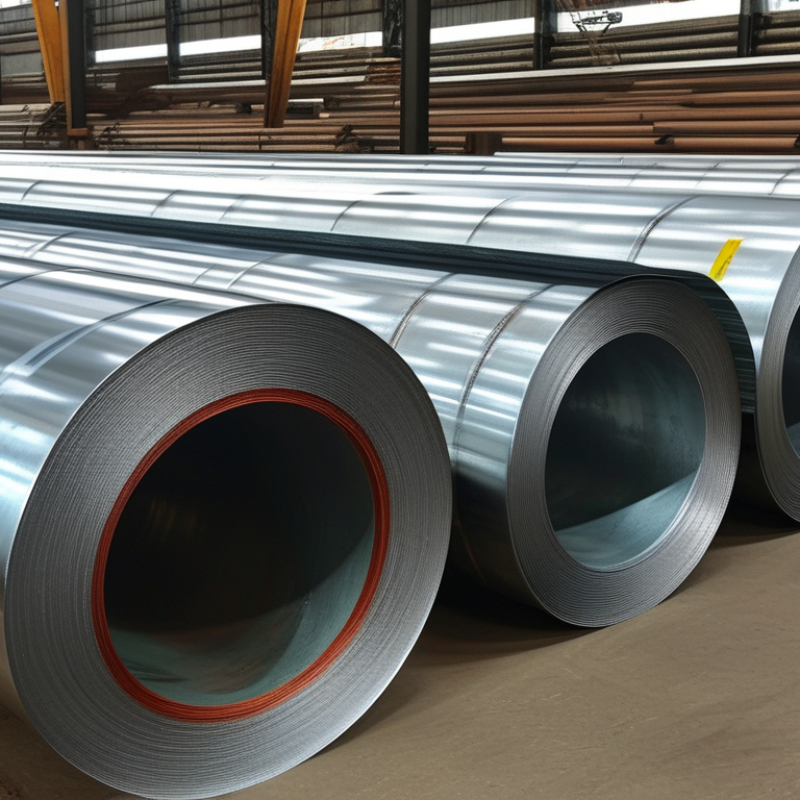
Galvanized vs Stainless Steel 5 Key Differences You Should Know?

Galvanized Steel: Definition and Common Applications in Industry

Galvanized steel is steel that has been coated with zinc to prevent rusting. This process involves immersing the steel in molten zinc. The result is a material that is more resistant to corrosion. In industries, galvanized steel is widely used in construction, automotive, and appliances. It is often preferred for structures exposed to moisture.

Common applications include roofing, steel frames, and outdoor furniture. The corrosion resistance makes it ideal for outdoor use. However, it can be less aesthetic due to its metallic sheen. Some industries may require a more appealing finish. While it serves its purpose well, maintenance can become an issue over time as the coating wears.

A drawback of galvanized steel is that it may not be suitable for high-temperature environments. The zinc coating can degrade, affecting its integrity. Furthermore, when cut or damaged, the exposed steel can rust if not properly treated. Users must be aware of these limitations when choosing materials for specific applications. In some cases, additional protective measures may be required to ensure durability. Understanding these nuances is essential for making informed decisions in industrial applications.

Understanding Stainless Steel: Types and Their Industrial Uses

Stainless steel is a widely used material in various industries due to its corrosion resistance and strength. It comes in different types, each suited for specific applications. For instance, a report from the International Stainless Steel Forum reveals that around 70% of stainless steel is used in construction, automotive, and energy sectors. The most common types include austenitic, ferritic, and martensitic stainless steels, each with unique properties.

Austenitic stainless steel, such as type 304, is particularly valued for its formability and resistance to corrosion. It is commonly used in kitchen equipment and food processing. Ferritic stainless steel, although less ductile, is utilized in applications requiring magnetic properties, such as automotive exhaust systems. Martensitic types like 410 are known for their hardness, making them ideal for cutlery and industrial knives.

Despite its benefits, stainless steel can be expensive and may not always be the best choice for every application. The cost of production and raw materials can affect its market price. Certain environments may also lead to pitting and crevice corrosion, presenting challenges that engineers must address. Understanding the types and their industrial uses is crucial for making informed decisions in material selection.

Corrosion Resistance: Comparing Galvanized and Stainless Steel

When it comes to corrosion resistance, galvanized and stainless steel differ significantly. Galvanized steel features a zinc coating that protects the surface from rust. However, this layer can wear down over time, especially in harsh environments. It provides reliable protection but may need maintenance.

Stainless steel, on the other hand, contains chromium. This element creates a passive layer that prevents corrosion. Unlike galvanized steel, stainless steel does not require additional coatings. It remains strong and corrosion-resistant even when exposed to moisture and salt. This makes it suitable for marine and industrial applications.

Both materials have their pros and cons. Galvanized steel can be less expensive initially, but it may incur costs for repairs and replacements. Stainless steel often has a higher upfront cost, yet its longevity can lead to savings over time. Many factors should be considered, including your specific use case and environment. Each metal has its unique characteristics that may suit different needs.

Galvanized vs Stainless Steel: 5 Key Differences You Should Know

Dimension Galvanized Steel Stainless Steel
Corrosion Resistance Good, but can rust if coating is damaged Excellent, resistant to rust and stains
Durability Moderate, dependent on the thickness of zinc coating High, strong and impact-resistant
Cost Generally cheaper than stainless steel More expensive due to alloying elements
Maintenance Requires regular inspection for corrosion Low maintenance, minimal upkeep needed
Appearance Dull, galvanized finish Shiny, polished or brushed finish

Cost Analysis: Price Differences Between Galvanized and Stainless Steel

When comparing galvanized steel and stainless steel, cost is a significant factor. Galvanized steel often comes at a lower price point. This makes it appealing for budget-conscious projects. The galvanization process involves coating regular steel with zinc, providing corrosion resistance at a fraction of the cost of stainless steel. For short-term applications or structures, this can be a practical choice.

In contrast, stainless steel tends to be more expensive due to its higher nickel and chromium content. This results in exceptional durability and resistance to rust and staining. While the initial cost may deter some, its long-term benefits can outweigh the price difference. In environments with high moisture or chemical exposure, stainless steel proves more cost-effective in the long run.

Still, it’s important to weigh immediate costs against future maintenance needs. A project might save money upfront with galvanized steel but could incur higher long-term repair costs. Reflecting on your specific needs will guide you to the better investment. Understanding these price dynamics ensures informed decision-making.

Strength and Durability: Performance Metrics and Industry Standards

When comparing galvanized and stainless steel, strength and durability are crucial performance metrics. Galvanized steel features a protective zinc coating. This coating prevents rusting, making it suitable for moderate outdoor applications. However, it can wear off over time. Once the layer is compromised, the underlying steel becomes vulnerable to corrosion. Regular maintenance is necessary to ensure longevity.

Stainless steel, on the other hand, consists of iron mixed with chromium. This combination leads to inherent resistance to rust and staining. Its durability is reflected in various industry standards. Stainless steel has a higher tensile strength compared to galvanized. However, it is usually more expensive upfront. In the long run, the investment can be justified by its low maintenance requirements. Many professionals suggest assessing the specific environment to make an informed choice. Both materials have their pros and cons, depending on the intended use. It is essential to reflect on the conditions each material will face over time.

FAQS

: What is galvanized steel?

: Galvanized steel is steel coated with zinc. This prevents rust and enhances corrosion resistance.

Where is galvanized steel commonly used?

It is widely used in construction, automotive, and outdoor furniture. Moist environments benefit from its properties.

Are there aesthetic concerns with galvanized steel?

Yes, its metallic sheen may not be appealing in some applications. Users may prefer a different finish.

What happens to galvanized steel over time?

The zinc coating can wear off. Once compromised, the underlying steel may rust without proper maintenance.

What are the types of stainless steel?

The main types are austenitic, ferritic, and martensitic. Each type is suited for specific industrial applications.

Why is austenitic stainless steel popular?

Its excellent formability and corrosion resistance make it ideal for kitchen equipment and food processing.

What is a drawback of stainless steel?

It can be expensive and may experience pitting or crevice corrosion in certain environments. Cost may influence choices.

How do galvanized and stainless steel compare in strength?

Stainless steel has higher tensile strength. However, galvanized steel offers good durability for moderate applications.

Why is regular maintenance important for galvanized steel?

To ensure longevity, as lack of maintenance can lead to corrosion if the zinc coating is damaged.

What should users consider when choosing between these materials?

Evaluate environmental conditions and intended use. Each has advantages and limitations to reflect upon.

Conclusion

In exploring what is the difference between galvanized and stainless steel, it is essential to understand their definitions and applications. Galvanized steel is steel that has been coated with a layer of zinc to protect against corrosion, making it suitable for use in industries such as construction and automotive. In contrast, stainless steel consists of a steel alloy containing chromium, which offers exceptional resistance to rust and corrosion, ideal for food processing, medical equipment, and various industrial uses.

When comparing properties, galvanized steel is generally more cost-effective but may not last as long as stainless steel in highly corrosive environments. Stainless steel, while more expensive, boasts superior strength and durability, meeting higher performance metrics and industry standards. Understanding these key differences helps industries choose the right material for their specific needs based on factors like corrosion resistance, cost, and long-term performance.

Oliver

Oliver

Oliver is a seasoned marketing professional with a wealth of expertise in driving brand awareness and engagement. With a deep understanding of our company's product offerings, he consistently delivers high-quality content that enriches our professional blog. His insights not only shed light on......