When considering outdoor construction and maintenance, understanding “how long does galvanized steel last outdoors” is crucial. Galvanized steel, coated with zinc to resist corrosion, offers longevity and durability. Industry reports indicate that galvanized steel can last up to 50 years or more in many environments, particularly when installed correctly. A key factor in its lifespan is exposure to moisture and harsh elements.
However, this material is not impervious to wear and tear. Over time, scratches or chips in the protective coating can lead to rust. The American Galvanizers Association states that regular inspection and maintenance can greatly enhance longevity. Buyers must acknowledge that while galvanized steel is resilient, environmental factors and installation quality play significant roles in determining its actual lifespan.
In some cases, users have noted unexpected deterioration under specific conditions, prompting reflection on their choices. Although galvanized steel is often marketed as a long-term solution, understanding the variables impacting its performance is essential. Being well-informed allows for better decision-making in outdoor applications.
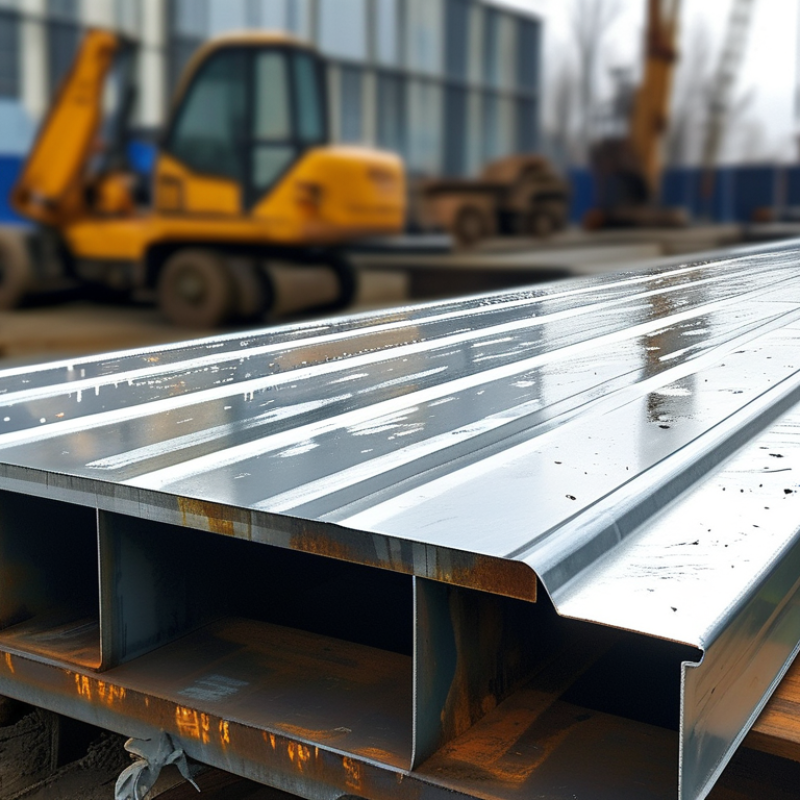
Factors Influencing the Longevity of Galvanized Steel Outdoors
Galvanized steel is known for its durability, especially when used outdoors. However, its longevity depends on various factors. One crucial aspect is the environment. Areas with high humidity or saltwater exposure can accelerate corrosion. This is particularly true for structures near coastlines. The presence of chemicals in the soil can also impact the lifespan. Regular maintenance, like cleaning and inspections, is key to prolonging its life.
Another influence is the thickness of the zinc coating. A thicker layer provides better protection against moisture and rust. However, not all galvanized steel is made equal. The method of galvanization plays a significant role. Hot-dip galvanization offers superior protection compared to electro-galvanized steel. Awareness of the local climate and the specific application can help in making informed decisions.
Lastly, UV exposure is a factor that shouldn't be overlooked. Over time, sun damage can lead to degradation, affecting both aesthetic and structural properties. Understanding these influences can guide buyers in selecting the right galvanized steel for their needs. It’s essential to reflect on these aspects to ensure the best choice for outdoor applications.
How Long Does Galvanized Steel Last Outdoors for Buyers? - Factors Influencing the Longevity of Galvanized Steel Outdoors
| Factors |
Impact on Longevity |
Estimated Lifespan (Years) |
| Environmental Conditions |
Exposure to moisture and salty air can reduce lifespan |
10-20 |
| Quality of Zinc Coating |
Heavier coatings provide better protection |
20-50 |
| Surface Preparation |
Improper preparation can lead to premature corrosion |
5-15 |
| Mechanical Damage |
Dents or scratches can expose steel to the elements |
5-15 |
| Maintenance |
Regular maintenance can significantly extend lifespan |
20-40 |
| Location |
Urban areas may have more pollutants affecting longevity |
10-30 |
Typical Lifespan of Galvanized Steel in Various Environments
Galvanized steel is known for its durability. However, its lifespan can vary significantly based on environmental conditions. In coastal areas, where salt exposure is high, galvanized steel may only last 10 to 15 years. The corrosive ocean air accelerates rusting. This is crucial for buyers considering outdoor projects.
In contrast, galvanized steel used in urban environments generally fares better. It can last 20 to 30 years in cities with minimal pollution. Even in less-than-ideal conditions, proper maintenance can extend its life. Regular inspections and cleanings are often overlooked but are essential.
Some factors might surprise buyers. For instance, the thickness of the zinc coating plays a significant role in corrosion resistance. A thicker coating means increased longevity. However, it may not always be a perfect solution. In some cases, uneven coating can lead to premature deterioration. A deep understanding of these variables is vital for informed decisions.
Maintenance Practices to Extend the Life of Galvanized Steel
Galvanized steel is a popular choice for outdoor applications due to its corrosion resistance. However, without proper maintenance, its longevity can significantly decrease. To maximize the lifespan, regular inspections are crucial. Look for signs of wear or rust formation. Addressing these issues promptly can prevent further damage.
Cleaning is another vital practice. Moisture and contaminants can affect the protective zinc coating. A routine wash with mild soap and water helps maintain its integrity. Some studies suggest that properly maintained galvanized steel can last up to 50 years in outdoor environments. However, neglecting maintenance can lead to reductions in service life.
Coating repairs are essential as well. If the zinc layer is compromised, it can expose the steel underneath to corrosion. Touch-up paints specifically meant for galvanized surfaces can be effective. Regularly applying such coatings, especially in high-humidity areas, can enhance resilience. These practices are widely recommended by industry experts to ensure that galvanized steel remains functional and appealing in outdoor settings.
Durability of Galvanized Steel Outdoors Over Time
This chart illustrates the average remaining thickness of galvanized steel over time when exposed to outdoor elements. As shown, the thickness decreases significantly over the years due to factors such as corrosion and exposure to weather, emphasizing the importance of maintenance practices to extend the life of galvanized steel.
Signs of Deterioration in Galvanized Steel and When to Replace
When considering galvanized steel for outdoor use, recognizing signs of deterioration is crucial. Galvanized steel is coated with zinc, which protects it from rust and corrosion. However, exposure to harsh weather, moisture, and pollutants can wear down this protective layer over time. Research indicates that, under normal conditions, galvanized steel can last 20 to 50 years. Yet, this lifespan varies significantly based on environmental factors.
Common signs of deterioration include discoloration, flaking, and rust formation. If you notice a white powdery substance, this indicates zinc corrosion, which compromises the protection of the steel. As corrosion progresses, the underlying steel becomes susceptible to rust. Regular inspections are essential, especially in coastal areas where salt can accelerate deterioration.
Timely replacement is vital to ensure structural integrity. The presence of multiple rust spots or extensive corrosion can signal that it is time to replace the steel. Industry experts advise that any significant deterioration requires immediate attention to prevent safety hazards. Investing in high-quality galvanized steel and maintaining it can extend its lifespan, but all materials have limits.
Comparative Durability of Galvanized Steel vs. Other Materials
Galvanized steel is known for its strength and durability when used outdoors. A typical galvanized steel structure can last up to 50 years, significantly outpacing many alternative materials. For example, aluminum and untreated wood may only withstand the elements for 25 years or less. Galvanization protects steel from corrosion, extending its lifespan. According to industry reports, galvanizing can reduce maintenance costs by up to 50%, making it a cost-effective choice over time.
When comparing galvanized steel to other materials, performance can vary widely. Copper and stainless steel offer durability, but at a higher price. Each material has its strengths and weaknesses. While galvanized steel is budget-friendly, it may not perform as well in extremely corrosive environments, such as near saltwater. Reports show that wood, while attractive, can warp or rot, requiring frequent replacements. This inconsistency raises questions about long-term investments. Buyers must weigh initial costs against potential future expenses and material longevity.
FAQS
: The environment, maintenance, thickness of the zinc coating, and UV exposure all influence longevity.
High humidity can accelerate corrosion, especially in coastal areas.
Saltwater exposure can significantly reduce lifespan, leading to rust within 10 to 15 years.
Yes, regular inspections and cleanings are crucial for prolonging its life.
Thicker coatings provide better moisture protection but may not always be even, causing issues.
Hot-dip galvanization offers better protection than electro-galvanized steel.
In urban areas with minimal pollution, galvanized steel can last 20 to 30 years.
Over time, UV damage can affect both the appearance and structural integrity of the steel.
Yes, chemicals in the soil can negatively impact its lifespan.
No, decisions should reflect careful consideration of local climate and application.
Conclusion
When considering "how long does galvanized steel last outdoors," several factors come into play that influence its longevity. Galvanized steel is known for its durability, typically lasting around 20 to 50 years depending on environmental conditions such as humidity, exposure to saltwater, and overall maintenance practices. To extend its life, regular inspections and maintenance, such as cleaning and applying protective coatings, are essential.
Additionally, it's important to be aware of signs of deterioration in galvanized steel, including rust formation or discoloration, which indicate when replacement may be necessary. When compared to other materials, galvanized steel often exhibits superior resistance to corrosion, making it a popular choice for outdoor applications. Understanding these elements helps buyers make informed decisions regarding the use of galvanized steel in various outdoor settings.

 Terra Steel