Steel structures are essential in modern buildings. However, they face a significant threat: corrosion. Understanding how to prevent steel corrosion in buildings is crucial for maintaining structural integrity and safety. Corrosion not only weakens steel but can also lead to costly repairs and renovations. The implications of neglecting this issue can be severe, impacting both finances and safety.
Many methods exist to combat corrosion, but their effectiveness can vary. The right choice often depends on specific environmental factors and the building's location. For instance, coastal buildings may require more rigorous protective measures due to salt exposure. Regular inspections are also necessary to identify early signs of corrosion. Maintenance routines should evolve with new insights and technologies to optimize effectiveness.
While there is no one-size-fits-all solution, adopting a proactive approach is essential. Understanding the materials and environmental interactions at play can significantly enhance prevention strategies. Every building's design and maintenance strategy should reflect a commitment to durability and safety. Emphasizing awareness and education plays a vital role in ensuring long-lasting steel structures.
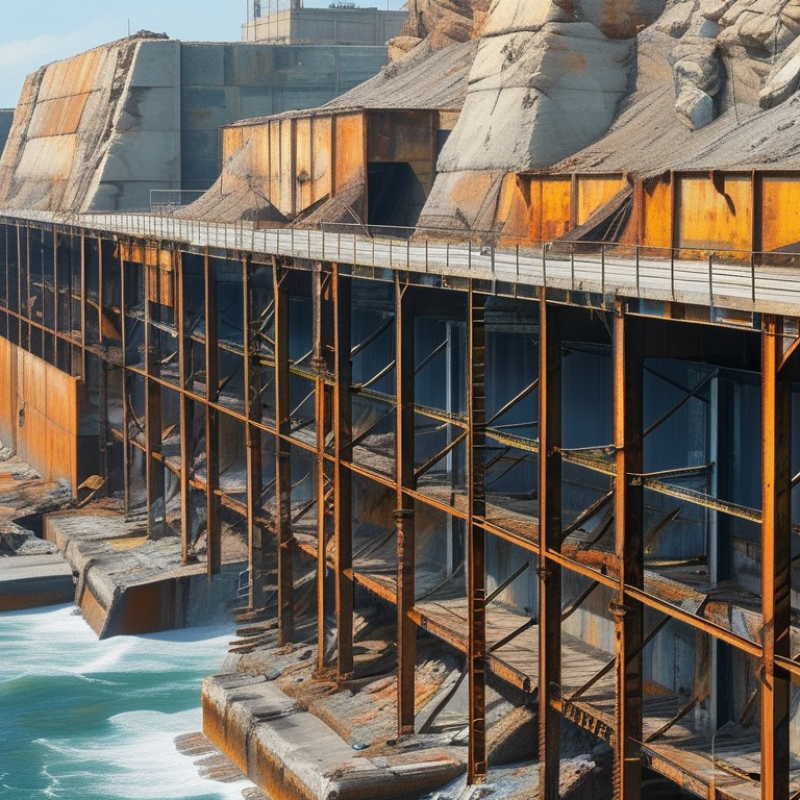
Steel corrosion in buildings is a critical issue that can compromise structural integrity. Understanding the types and mechanisms of corrosion is essential for effective prevention. The two primary types of corrosion that affect steel in buildings are uniform corrosion and localized corrosion. Uniform corrosion occurs evenly across the surface, often due to moisture and environmental exposure. Localized corrosion, such as pitting, can create small, deep cavities, significantly weakening the affected areas.
Mechanisms behind corrosion largely involve electrochemical reactions. When steel comes into contact with water and oxygen, corrosion processes accelerate. This is particularly prevalent in coastal areas due to saltwater exposure. It is essential to assess environmental conditions regularly. Buildings may use protective coatings or cathodic protection to mitigate these effects. However, such solutions require constant monitoring and maintenance, highlighting the complexity of ensuring the longevity of steel structures.
Training staff to recognize early signs of corrosion can also play a vital role in prevention. Regular inspections can help identify areas needing immediate attention. Even with extensive measures, some buildings may still experience unexpected corrosion due to various factors. Therefore, understanding corrosion deeply is crucial for building designers and maintenance teams.
Corrosion of steel in buildings is a significant issue impacted by various environmental factors. Humidity, temperature, and chemical exposure play crucial roles in accelerating corrosion rates. According to data from the Corrosion Control Association, a 10% increase in humidity can double the corrosion rate of steel. Coastal areas, with their saline environments, can see corrosion rates soar by up to 50% compared to inland structures.
Effective prevention strategies depend on understanding these environmental factors. Regular inspections and maintenance are key. Identifying early signs of corrosion can prevent larger issues later. Protecting steel with coatings can reduce moisture exposure significantly. These coatings act as a barrier against corrosive agents, prolonging the lifespan of the steel structure.
Consider employing dehumidifiers in high-moisture environments to control humidity levels. Using zinc-rich primers can also enhance protective measures. Educating workers about the impacts of environment on corrosion fosters a proactive approach. Recognizing that even well-maintained structures are vulnerable to environmental conditions is vital for long-term durability. Frequent monitoring and adaptation to changing environmental factors can enhance overall resilience.
| Environmental Factor | Effect on Corrosion Rate | Recommended Prevention Method |
|---|---|---|
| Humidity | Higher humidity increases corrosion rates due to condensation. | Use of dehumidifiers and moisture control systems. |
| Temperature | Higher temperatures can accelerate corrosion processes. | Insulation and temperature regulation systems. |
| Pollution Levels | Increased pollutants like salt or acid can accelerate corrosion. | Regular cleaning and protective coatings. |
| Air Circulation | Poor air circulation can trap moisture, leading to corrosion. | Improve ventilation systems in buildings. |
| Water Exposure | Continuous exposure to water significantly increases rusting. | Install drainage systems and waterproofing materials. |
Protective coatings play a vital role in preventing steel corrosion in buildings. There are several types of coatings available, each with unique properties and effectiveness. For instance, zinc-rich primers offer cathodic protection. According to a study by the National Association of Corrosion Engineers (NACE), these primers can reduce corrosion rates by up to 90% in certain environments.
Epoxy coatings are another reliable option. They provide a hard, durable layer that is resistant to moisture and chemicals. Data from the American Society for Testing and Materials (ASTM) indicates that epoxy coatings can extend the life of steel structures by over 20 years in coastal areas, where humidity and salt exposure accelerate corrosion.
However, challenges remain. The application process can be sensitive, requiring conditions that might not always be ideal. Improper surface preparation or environmental factors can degrade a coating’s performance. Some studies suggest that 30% of coating failures occur due to application errors. Addressing these issues is essential for ensuring the long-term effectiveness of protective coatings in corrosion prevention.
This chart illustrates the effectiveness percentage of various protective coatings used in buildings to prevent steel corrosion. Understanding these values can help in selecting the right coating for construction projects to enhance longevity and structural integrity.
Selecting the right materials is vital in preventing steel corrosion in buildings. Corrosion-resistant alloys are excellent choices in construction. They offer a longer lifespan and reduced maintenance costs. Stainless steel, for example, contains chromium, which forms a protective layer. This layer shields the metal from moisture and oxygen, two primary contributors to corrosion.
When choosing materials, consider environmental factors. Buildings near coastal areas face higher humidity and salt exposure. In such cases, duplex stainless steel, which combines austenitic and ferritic properties, may be more effective. However, it is crucial to evaluate the cost versus benefits of these alloys. An expensive option might not be justified for all projects.
Always weigh the pros and cons of materials. Even corrosion-resistant options can fail if improperly installed or maintained. Regular inspections and maintenance can help identify early signs of corrosion. Awareness of the building's environment can guide better decisions. This proactive approach is essential to ensuring the longevity and safety of structures.
Regular inspections play a critical role in preventing steel corrosion in buildings. A study by the National Steel Bridge Alliance indicates that routine assessments can identify early signs of corrosion, potentially saving up to 30% in repair costs. Inspections should be conducted at least once every six months, especially in environments exposed to moisture or salt. Each inspection should focus on joints, welds, and any signs of rust.
Treatments need to follow inspections promptly. Protective coatings, such as galvanization, can reduce corrosion risk significantly. According to the American Institute of Steel Construction, applying a proper finish can extend the lifespan of steel structures by up to 50 years. While coatings offer protection, they require maintenance. This is often overlooked, leading to the deterioration of protective layers. Proper documentation of treatment history also helps ensure consistency in maintenance efforts.
Some projects may neglect timely maintenance due to budget constraints. This shortsightedness can lead to costly repairs down the line. Steel structures demand attention. Failing to act on early corrosion signs can result in structural failures. Building owners should prioritize detailed maintenance plans, integrating both inspections and treatments into their yearly budgets. After all, investing in regular upkeep pays off in the long run.
: Protective coatings prevent corrosion in steel structures. They offer various properties tailored to specific environments.
Zinc-rich primers can reduce corrosion rates by up to 90% in certain conditions, providing significant protection.
Epoxy coatings create a hard, durable layer. They resist moisture and chemicals, extending steel life by over 20 years.
The application process can be sensitive. Improper surface preparation or environmental factors can lead to failures.
Studies show that about 30% of coating failures happen due to application mistakes. Care is necessary for effectiveness.
Choosing the right materials can extend lifespan and reduce maintenance costs. Corrosion-resistant alloys are excellent options.
Stainless steel has chromium that forms a protective layer against moisture and oxygen, two main corrosion contributors.
Consider environmental factors like humidity and salt exposure. Duplex stainless steel may be more effective in such cases.
Even corrosion-resistant alloys can fail if poorly installed or maintained. Regular checks help spot early corrosion signs.
Awareness of surrounding conditions guides better decisions. A proactive approach ensures longevity and safety of structures.
Preventing steel corrosion in buildings is essential for maintaining structural integrity and longevity. Understanding the various types and mechanisms of steel corrosion in building environments is the first step in addressing this issue. Environmental factors such as humidity, temperature, and exposure to chemicals significantly influence corrosion rates, making it crucial for builders to assess these conditions during design and construction.
Implementing effective protective coatings can greatly mitigate corrosion risks, with several types available that cater to different environmental scenarios. Additionally, selecting corrosion-resistant alloys during the materials selection process can enhance durability. Regular maintenance strategies, including thorough inspections and timely treatments, are vital for early detection and prevention of corrosion. Therefore, understanding how to prevent steel corrosion in buildings involves a comprehensive approach that integrates material science and proactive maintenance.

Terra Steel