Aluminum sheets represent one of the most dynamic segments of the global non-ferrous metal industry. Renowned for their high strength-to-weight ratio, exceptional corrosion resistance, and 100% recyclability, aluminum plates and sheets serve as key structural materials across aerospace, marine, automotive, and infrastructure engineering sectors.
Primary smelters and downstream rolling mills process raw bauxite and primary ingots into high-tolerance coils and sheets. The integration of continuous casting and hot/cold rolling plants ensures optimized mechanical integrity across demanding environments.
As global environmental standards tighten, the European Union's Construction Products Regulation (CPR) and similar global standards demand that products carry verified CE and Declaration of Performance (DoP) credentials before placement on the open market.
Modern manufacturers employ computerized flat-rolling systems, tension levelers, and automated surface treatment lines (anodizing, PVDF painting) to meet the highly specialized tolerances required for aerospace skin panels and building facades.
From a macroeconomic perspective, the supply chain for aluminum sheet products is moving rapidly toward vertical integration. Global buyers are increasingly seeking long-term contract manufacturing partnerships with verified factories that possess internal quality assurance systems capable of tracing alloy chemistry from ingot casting to delivery. This shift minimizes defect rates, ensures predictability under thermal stresses, and facilitates smoother import-export compliance under frameworks like the EU's CBAM (Carbon Border Adjustment Mechanism).
For any metal alloy used as a load-bearing or structural component in construction, EU compliance is mandatory. Under the Construction Products Regulation (EU) No 305/2011, CE marking certifies that the structural aluminum sheet has been manufactured, tested, and assessed in accordance with harmonized standards.
| Harmonized Standard | Technical Scope | Required Testing Protocols | Compliance Signification |
|---|---|---|---|
| EN 15088:2005 | Aluminum and aluminum alloys - Structural products for construction works | Yield strength, tensile strength, elongation, weldability, fatigue, and dimensional tolerances | Mandatory for products permanently incorporated into building systems and civil engineering works. |
| EN 485 (1-4) | Mechanical properties, tolerances, and technical conditions of delivery | Tension tests, bend tests, thickness measurements (cold-rolled vs. hot-rolled deviation tolerances) | Ensures dimensional accuracy and predictable performance during cold forming or machining. |
| EN 573-3 | Chemical composition limits and nomenclature of alloys | Spectrometric chemical analysis of melts, element distribution tracking | Verifies the exact elemental breakdown (magnesium, silicon, copper limits) to guarantee alloy category integrity. |
Compliance requires System 2+ Assessment and Verification of Constancy of Performance (AVCP). Under this framework, the manufacturer must maintain a documented Factory Production Control (FPC) system, audited annually by a Notified Body. Without these audited systems, CE labels are invalid, posing substantial compliance risks for importing structural engineers, distributors, and general contractors.
While aluminum provides lightweight, corrosion-resistant cladding and secondary structures, modern engineering design integrates these sheets with rigid galvanized steel frames. Guangzhou Terra Steel Co., Ltd. fills this technical gap by manufacturing precision steel framing components that interface with aluminum panel systems.
Guangzhou Terra Steel Co., Ltd. is a professional manufacturer specializing in high-quality steel framing products for modern construction systems. With a strong focus on precision manufacturing and reliable material performance, the company provides durable steel solutions widely used in residential, commercial, and industrial building projects. By integrating advanced production equipment with strict quality control, Guangzhou Terra Steel ensures that every product meets international construction standards and supports efficient installation in interior partition walls, ceiling frameworks, and lightweight structural applications.
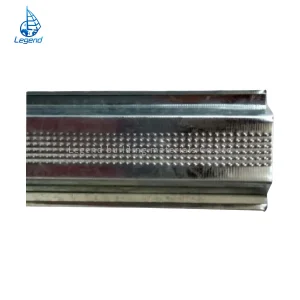
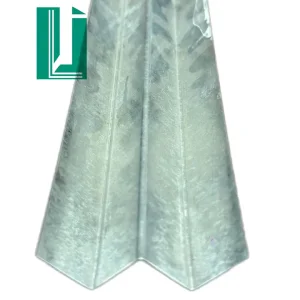
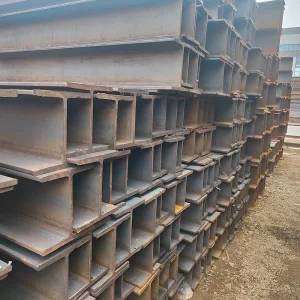
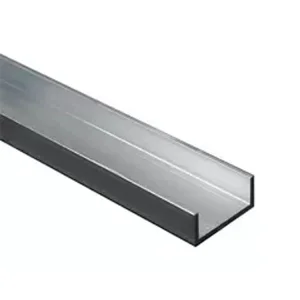
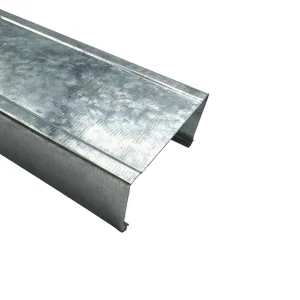
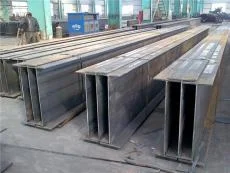
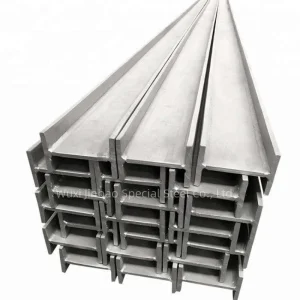
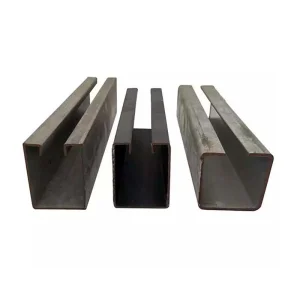
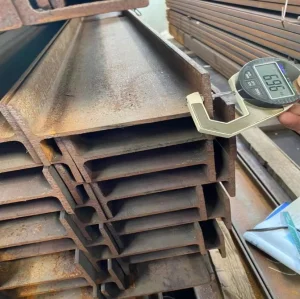
The company’s core product range includes Light Gauge Steel Stud, Steel Ceiling Channel, Steel Furring Channel, Steel U Track, Steel C Channel, and Steel Hat Channel. These products are designed to deliver strong structural support while maintaining lightweight characteristics, making them ideal for drywall systems, suspended ceilings, and metal framing applications. Manufactured from high-quality galvanized steel, Terra Steel products offer excellent corrosion resistance, dimensional accuracy, and long service life, helping contractors and builders achieve stable and durable wall and ceiling structures.
Committed to continuous innovation and customer satisfaction, Guangzhou Terra Steel Co., Ltd. supplies reliable steel framing materials to construction companies, distributors, and project contractors around the world. The company focuses on providing consistent quality, competitive pricing, and efficient logistics support for global partners. By combining modern production capabilities with professional service, Terra Steel aims to become a trusted supplier of steel construction materials and contribute to the development of safer, more efficient, and sustainable building solutions.
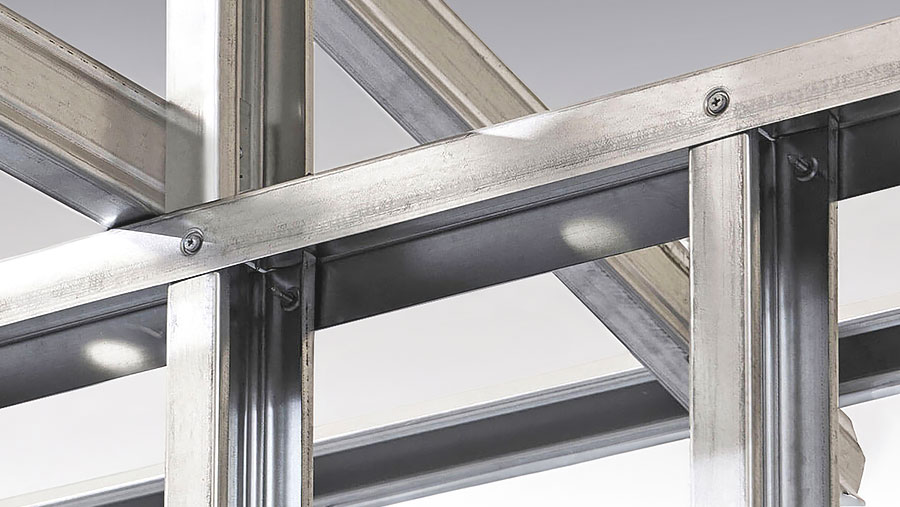
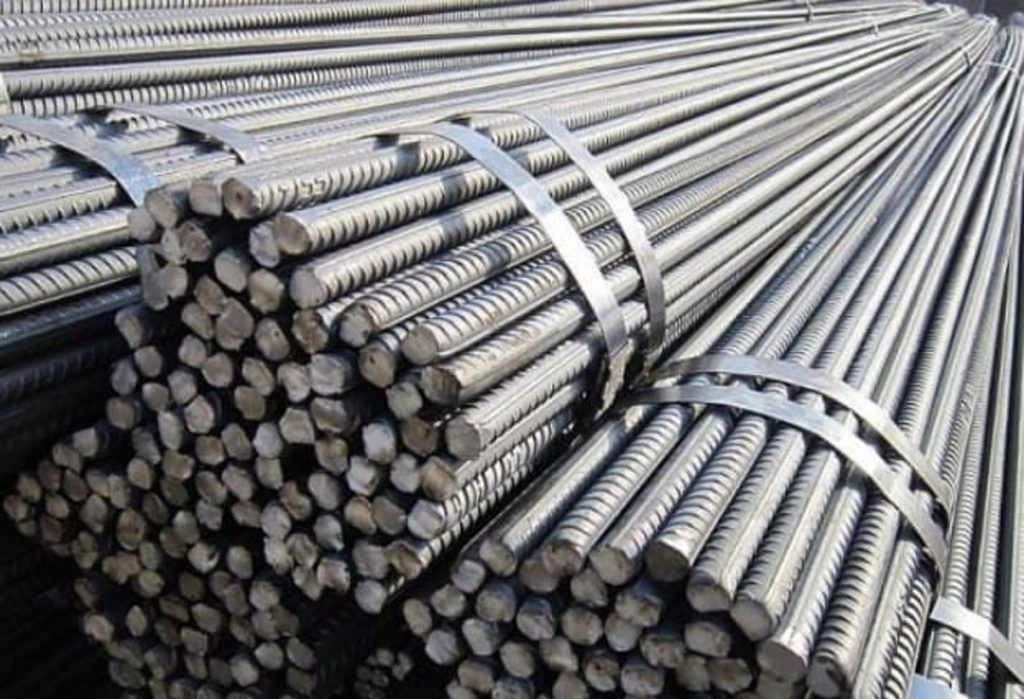
In physical curtain wall assemblies, aluminum sheets are typically fastened directly onto structural backing frameworks comprising light gauge steel studs, C-channels, and galvanized metal furring systems. Integrating these two materials requires precision. Because of galvanic corrosion risks, engineers must use neoprene or EPDM isolation gaskets at contact points. This hybrid methodology combines the high structural load-bearing efficiency of galvanized steel studs with the aesthetic and lightweight performance of CE-marked aluminum facade panels.
Selecting the correct alloy series dictates the performance limits of your assembly. In structural sheet metal fabrication, manufacturers rely on specific metallurgical groups, categorized by primary alloying elements and heat-treatment status (temper).
| Alloy Series | Common Tempers | Ultimate Tensile (MPa) | Yield Strength (MPa) | Key Properties | Primary Industrial Applications |
|---|---|---|---|---|---|
| 1050 / 1060 | H14, O, H24 | 70 - 145 | 20 - 120 | Highly ductile, 99.5% pure, superb electrical conductivity. | Reflector panels, chemical equipment, busbars. |
| 3003 / 3105 | H14, H24, H18 | 110 - 200 | 40 - 170 | Moderate strength, excellent workability, and weldability. | Heat exchangers, roof panels, acoustic ceilings, cookware. |
| 5052 / 5083 | H32, H34, O, H111 | 190 - 345 | 90 - 215 | Exceptional saltwater corrosion resistance, high fatigue strength. | Marine hulls, cryogenic tanks, pressure vessels, chemical pipes. |
| 6061 / 6082 | T4, T6, T651 | 260 - 310 | 240 - 270 | Heat-treatable, structural strength equivalent to mild steel. | Bridges, architectural frames, railway coaches, transport trucks. |
The physical capabilities of these sheets are deeply influenced by the tempering designation. Tempers such as H32 (strain-hardened and stabilized) are critical for magnesium-bearing alloys (5000 series) to prevent age-softening and stress-corrosion cracking. For structural 6000-series sheets, artificial aging to the T6 temper involves solid-solution heat treatment followed by precipitation hardening, which aligns the magnesium-silicide (Mg2Si) particles within the aluminum matrix, maximizing yield strength and structural load-bearing performance.
As the manufacturing landscape shifts under global decarbonization pressures, aluminum sheet factories are modernizing to align with Scope 1, Scope 2, and Scope 3 carbon reduction metrics. The environmental impact of primary smelting is driving heavy research and deployment into sustainable metal processes.
By locating primary smelters in regions rich in hydropower (such as Canada or Norway), factories reduce the carbon footprint of primary ingots to under 4 kg CO2 per kg of aluminum, compared to a global average of over 16 kg CO2 when powered by coal grids.
Recycling scrap aluminum requires only 5% of the energy needed to produce primary metal. Advanced mills are implementing internal sorting technologies to separate scrap alloys, maintaining chemical purity in secondary rolled sheets.
The EU's Carbon Border Adjustment Mechanism (CBAM) imposes carbon tariffs on imported steel and aluminum. Factories with transparent carbon accounting and EPDs (Environmental Product Declarations) will enjoy lower import barriers.
This push toward low-carbon footprint metals has transformed corporate procurement. Large scale developers, structural engineers, and automotive OEMs now require suppliers to supply third-party verified lifecycle analysis (LCA) data. Modern manufacturing operations are responding by securing Aluminum Stewardship Initiative (ASI) chain-of-custody certifications, guaranteeing ethical sourcing and environmental management across the entire value chain.
Aluminum sheets are highly versatile, with localized engineering applications varying by regional environmental conditions and design requirements.
In high-salinity zones, such as offshore drilling platforms and coastal shipping ports, 5083-H111 and 5052-H32 aluminum sheets are critical. The high concentration of magnesium prevents salt-water pit corrosion. Engineers use these sheets for hull paneling, gangways, and weather-proof deck enclosures.
In urban high-rise design, pre-painted 3003 aluminum sheets coated with Polyvinylidene Fluoride (PVDF) provide lightweight facade protection. These sheets resist wind shear forces, solar radiation degradation, and moisture intrusion, outlasting conventional concrete panel systems.
In pharmaceutical and semiconductor manufacturing environments, localized air-handling ducts and partition walls require clean, anti-static materials. 1050 sheets are ideal due to their lack of off-gassing and clean-room compatibility, preventing contamination in controlled spaces.
Furthermore, the automotive sector has rapidly expanded its use of 6000-series alloy sheets for outer hang-on parts (such as hoods, fenders, and doors) and internal structural components like battery enclosures for electric vehicles. This "lightweighting" strategy directly increases battery range by reducing gross vehicle weight without compromising safety, highlighting the cross-industry utility of structural aluminum sheets.
Get answers to technical and regulatory questions about CE certified aluminum sheet procurement, design, and structural integration.
CE marking signifies that the aluminum sheet complies with European safety, health, and environmental protection standards. For structural applications, it certifies conformity with standard EN 15088 under the Construction Products Regulation, authorizing the product's legally compliant distribution and installation across the European Economic Area.
EN 573-3 specifies the chemical composition limits of aluminum alloys (e.g., maximum percentages of iron, silicon, magnesium). EN 485 governs the mechanical properties (tensile strength, yield strength) and dimensional tolerances (thickness, width, flatness deviations) for hot-rolled or cold-rolled sheets.
Yes, 5000-series alloys are readily weldable using TIG or MIG welding methods. However, the heat-affected zone (HAZ) may experience some softening compared to the strain-hardened base metal (such as H32). High-tech factories employ precision cooling and specialized filler metals (like 5183 or 5356) to maintain joint strength and corrosion resistance.
Galvanic corrosion occurs when aluminum and steel contact in the presence of an electrolyte (moisture). This can be prevented by isolating the metals using non-conductive barriers (neoprene, EPDM tape, or plastic spacers) and using galvanized or stainless-steel fasteners with isolating washers, similar to the protocols used when installing Guangzhou Terra Steel framing studs.
An EN 10204 3.1 Mill Test Certificate (MTC) is a quality assurance document issued by the manufacturer's internal inspection department, which is independent of the production division. It provides trace chemical and mechanical test results of the actual batch delivered, verifying that the product meets the specified technical standards and purchase agreements.
Common architectural finishes include anodizing (an electrochemical process that increases natural oxide thickness for wear and corrosion resistance) and organic coatings such as PVDF (Polyvinylidene Fluoride) paint, which offers high resistance to color fade, chemical attacks, and industrial pollutants.
Typically, aluminum under 0.2 mm is classified as foil; materials with a thickness range of 0.2 mm up to 6 mm are classified as sheets; and materials thicker than 6 mm are designated as structural plates, which are handled under hot-rolled rolling mills.
 Terra Steel