Engineered for architectural structural stability, precision tolerance matching, and high load-bearing capability.
An authoritative analysis of metallurgical advancements, corrosion-resistant mechanics, and high-performance architectural systems.
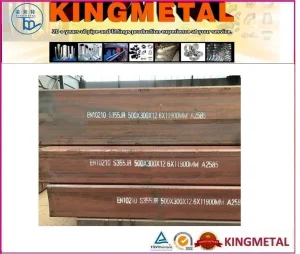
Weathering steel, commonly designated by proprietary terms such as Corten steel and classified under standards like ASTM A588, ASTM A242, and EN 10025-5, represents a critical class of structural alloys. These metals are specifically engineered to develop a stable, protective, rust-like oxidation layer—referred to as the passivation patina—upon exposure to environmental elements. The commercial utility of weathering steel is predicated on its ability to eliminate the necessity for post-fabrication painting or protective coatings, substantially mitigating long-term lifecycle maintenance expenses for municipal, commercial, and heavy industrial infrastructures.
Under global commercial frameworks, weathering steel occupies a high-value niche. Traditionally limited to civil engineering projects such as railway bridges and transmission towers, it has transitioned rapidly into high-visibility architecture, maritime container construction, and solar photovoltaic structural tracking arrays. The chemistry of weathering steel relies on the precise concentration of copper (Cu), chromium (Cr), nickel (Ni), and phosphorus (P). These micro-alloying elements facilitate an oxidation rate that decays over time, forming a dense protective barrier that prevents moisture and atmospheric oxygen from penetrating to the underlying substrate. Consequently, the structural integrity of the member remains uncompromised over operational horizons exceeding 120 years.
"The metallurgical definition of weathering steel relies on the formation of a dense, adherent layer of rust (patina) which slows down further corrosion. This characteristic distinguishes it from carbon steels, which continuously exfoliate under atmospheric cycles."
Standard structural carbon steels deteriorate through progressive oxidation, leading to flaking rust layers that continually expose fresh iron to atmospheric degradation. By contrast, weathering steel utilizes its specific composition of alloying agents to generate an amorphous inner layer of hydrogen orthophosphate containing copper and chromium. This microcrystalline barrier is highly impervious to water and corrosive agents. When exposed to alternating wet and dry phases, the layer forms within several seasons depending on the sulfur dioxide levels and chloride concentrations of the environment. E-E-A-T guidelines emphasize that specifying weathering steel requires close attention to atmospheric classification (ISO 9223 categories C1 through C5), ensuring the local environment provides the necessary cycle of wetting and drying to establish the passivation layer.
Micro-alloying composition protects against structural degradation, removing the need for galvanizing or painting.
Higher yield limits than typical A36 structural members, enabling lighter cross-sections with equivalent load capacity.
Eliminating VOC paint solvents and secondary metal-coating energy costs aligns with LEED green building certifications.
The efficiency advantage of Chinese steel mills and downstream roll-forming fabricators like those in Guangdong is rooted in high levels of supply chain vertical integration. While Western manufacturers are often burdened by fragmented supply chains, Chinese fabricators integrate blast furnace operations, alloy dosing, hot-rolling mills, and secondary profile processing (such as laser cutting, bending, and punching) within unified industrial clusters.
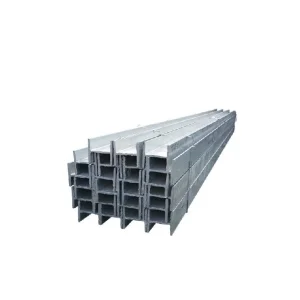
Additionally, the implementation of advanced computer-controlled automation and high-speed multi-axis cold forming ensures that complex cross-sections, like H-beams, structural channels, and lightweight ceiling channels, conform to mill-certified tolerances. These processes meet stringent global standards, including ASTM, EN, AS/NZS, and JIS. Deep water ports in regions like Guangzhou further guarantee streamlined ocean freight logistics, reducing transit times and port clearance friction for major global projects.
Industrial Strength Steel Framing Systems & Advanced Structural Manufacturing
Guangzhou Terra Steel Co., Ltd. is a professional manufacturer specializing in high-quality steel framing products for modern construction systems. With a strong focus on precision manufacturing and reliable material performance, the company provides durable steel solutions widely used in residential, commercial, and industrial building projects. By integrating advanced production equipment with strict quality control, Guangzhou Terra Steel ensures that every product meets international construction standards and supports efficient installation in interior partition walls, ceiling frameworks, and lightweight structural applications.
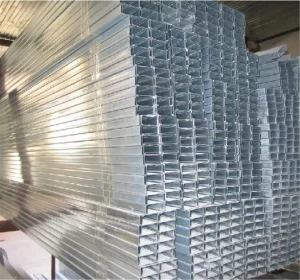
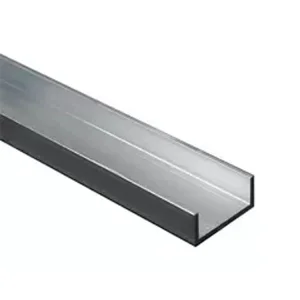
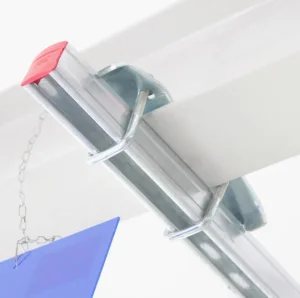
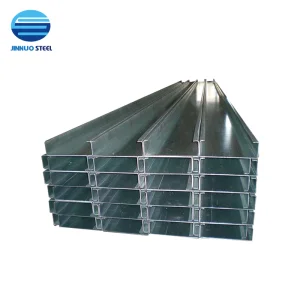
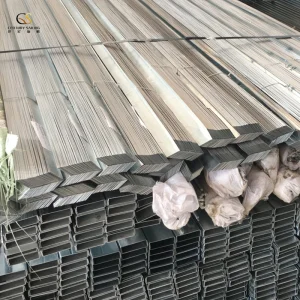
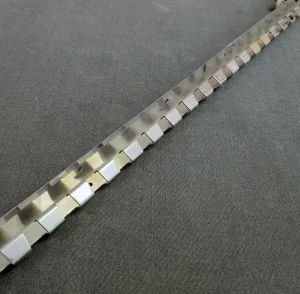
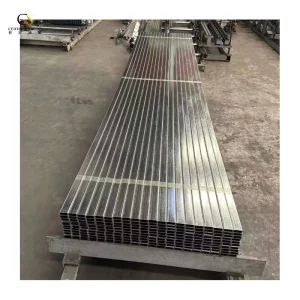
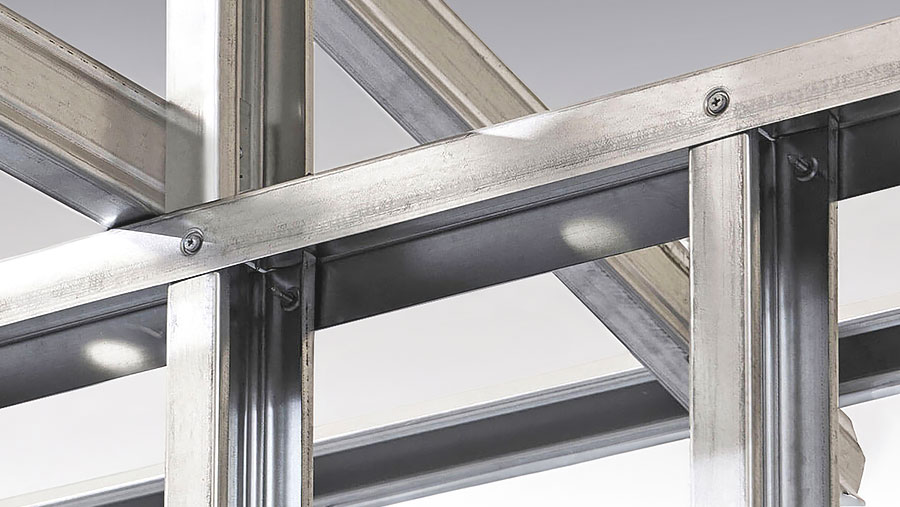
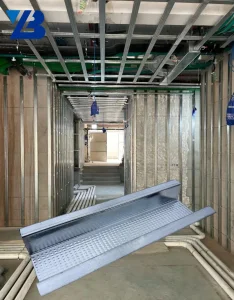
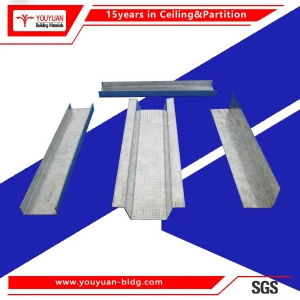
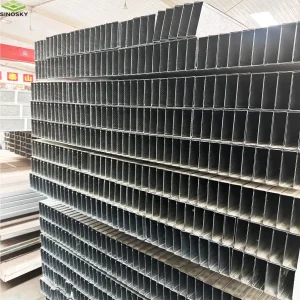
The company’s core product range includes Light Gauge Steel Stud, Steel Ceiling Channel, Steel Furring Channel, Steel U Track, Steel C Channel, and Steel Hat Channel. These products are designed to deliver strong structural support while maintaining lightweight characteristics, making them ideal for drywall systems, suspended ceilings, and metal framing applications. Manufactured from high-quality galvanized steel, Terra Steel products offer excellent corrosion resistance, dimensional accuracy, and long service life, helping contractors and builders achieve stable and durable wall and ceiling structures.
Committed to continuous innovation and customer satisfaction, Guangzhou Terra Steel Co., Ltd. supplies reliable steel framing materials to construction companies, distributors, and project contractors around the world. The company focuses on providing consistent quality, competitive pricing, and efficient logistics support for global partners. By combining modern production capabilities with professional service, Terra Steel aims to become a trusted supplier of steel construction materials and contribute to the development of safer, more efficient, and sustainable building solutions.
Custom engineering solutions tailored to regional environmental stressors and structural parameters.
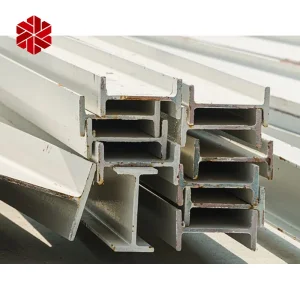
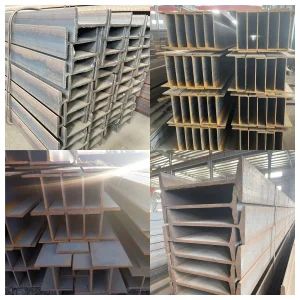
In regions facing coastal proximity, traditional carbon steel systems undergo accelerated degradation. Localized application of weathering structural profiles (e.g., H-beams and structural channels) combined with zinc-rich alloy bases creates a dual-layer barrier. This arrangement effectively isolates chloride ions and moisture. For high-humidity maritime climates, we provide customized, structural-grade steel systems designed to resist marine-salt environments, preventing early structural fatigue.
Solar arrays deployed in open-field deserts or agricultural environments demand at least 25 years of structural integrity without maintenance access. Using weathering C-channels, hat channels, and custom-welded structural frames offers a high strength-to-weight ratio. This choice limits structural deflection under wind loads, eliminating the field cost of touch-up paint repair for scratched galvanization.
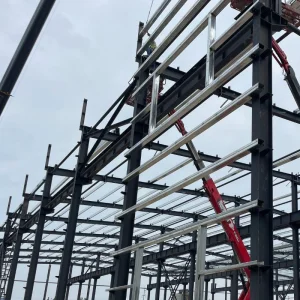
For high-rise commercial structures and industrial warehouses, lightweight metal studs and ceiling tracks act as non-loadbearing interior frameworks, while high-tensile weathering steel columns take the principal structural loads. This composite structural engineering layout matches the dynamic yield strength of weathering steel with the light gauge adaptability of drywalls. The result is minimized building deadweight and reduced foundation load margins.
Technological shifts shaping the future of global steel distribution and fabrication.
The global steel industry is undergoing a structural transition driven by strict decarbonization protocols and automated roll-forming technologies. Key areas of development include:
Technical insight from structural engineering and metallurgical experts.
Engineered to support heavy architectural frameworks and high-load industrial structures.
 Terra Steel